
Why Predicting Pigment Matters: What the Science Says About PIH Risk and Your Skin Treatments
One of the most common questions patients ask before a laser or skin procedure is: “Am I going to get dark spots afterward?”
They’re talking about post-inflammatory hyperpigmentation (PIH) — the discoloration that can appear after the skin heals from treatments, acne, or even injuries. PIH can be temporary, but for some patients it lingers, and for many, it’s even more distressing than the original concern they came in for.
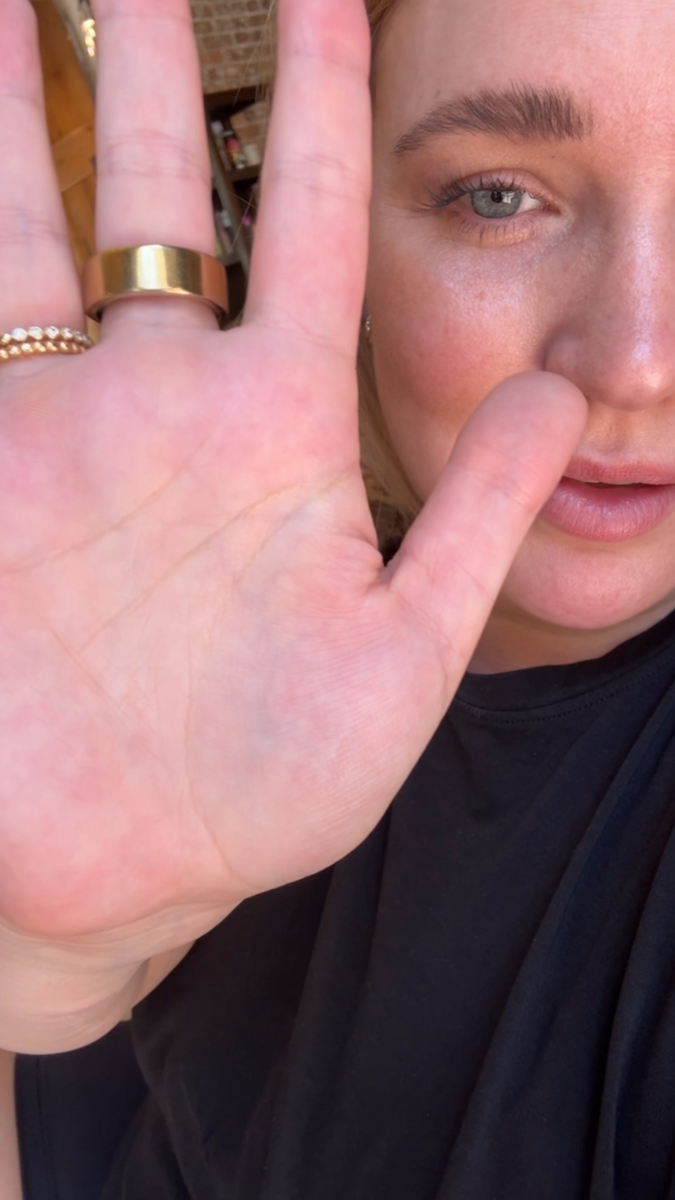
A recent study published in JAAD looked at something surprisingly simple — the pigmentation of the lines in your palms — as a way to predict who might be at higher risk for PIH. Researchers developed what they call the Palmar Crease Pigmentation (PCP) scale. The darker the creases, the higher the likelihood of developing pigmentation after skin procedures.
It’s fascinating science, and it reinforces something we take very seriously at Flora: not all skin responds the same.
Why This Matters for Laser & Skin Treatments
At Flora Aesthetics & Wellness, we use advanced technologies like Alma Hybrid CO₂ + 1570nm, Nd:YAG, Erbium, IPL, Q-Switch, and more. Each of these treatments can create incredible results — smoother texture, faded pigment, tighter skin — but they also carry a risk of PIH depending on your skin’s natural tendencies.
This research highlights why we spend so much time on:
Skin typing and Fitzpatrick scoring (you can read more about how we calculate your Fitzpatrick type here.
Personalized protocols. For example, we may start at gentler settings or recommend a series of lighter treatments rather than one aggressive session if we see higher PIH risk.
Pre- and post-care. From medical-grade skincare to pigment-suppressing products, we prep your skin to reduce inflammation and pigment rebound.
The PCP scale is one more tool we can keep in mind — but it’s also a reminder that visible cues matter. Pigmentation risk isn’t just about ethnicity or skin tone on paper, but about how your individual skin behaves.
What Patients Should Know
Here’s the honest truth: PIH can happen to anyone. Even lighter skin types aren’t immune. But the risk is higher in patients with more baseline pigment, or whose skin tends to darken after irritation.
That doesn’t mean you can’t do laser, microneedling, or resurfacing treatments. It means:
You need the right treatment plan for your skin.
You should follow skincare prep and aftercare carefully.
You’ll get the best outcomes when your provider is experienced in adjusting for pigment risk — not just running the same settings on everyone.
Our Commitment at Flora
As a Nurse Practitioner who has treated countless patients (and my own skin!), I know how important it is to balance results with safety. This study reinforces what we already believe: personalization is everything.
When you come in for laser or skin treatments, we’ll talk openly about PIH risk, how we minimize it, and what to expect if it happens. The goal isn’t just to give you a beautiful result — it’s to keep your skin healthy and protected in the process.
0 Comments